September 04, 2026
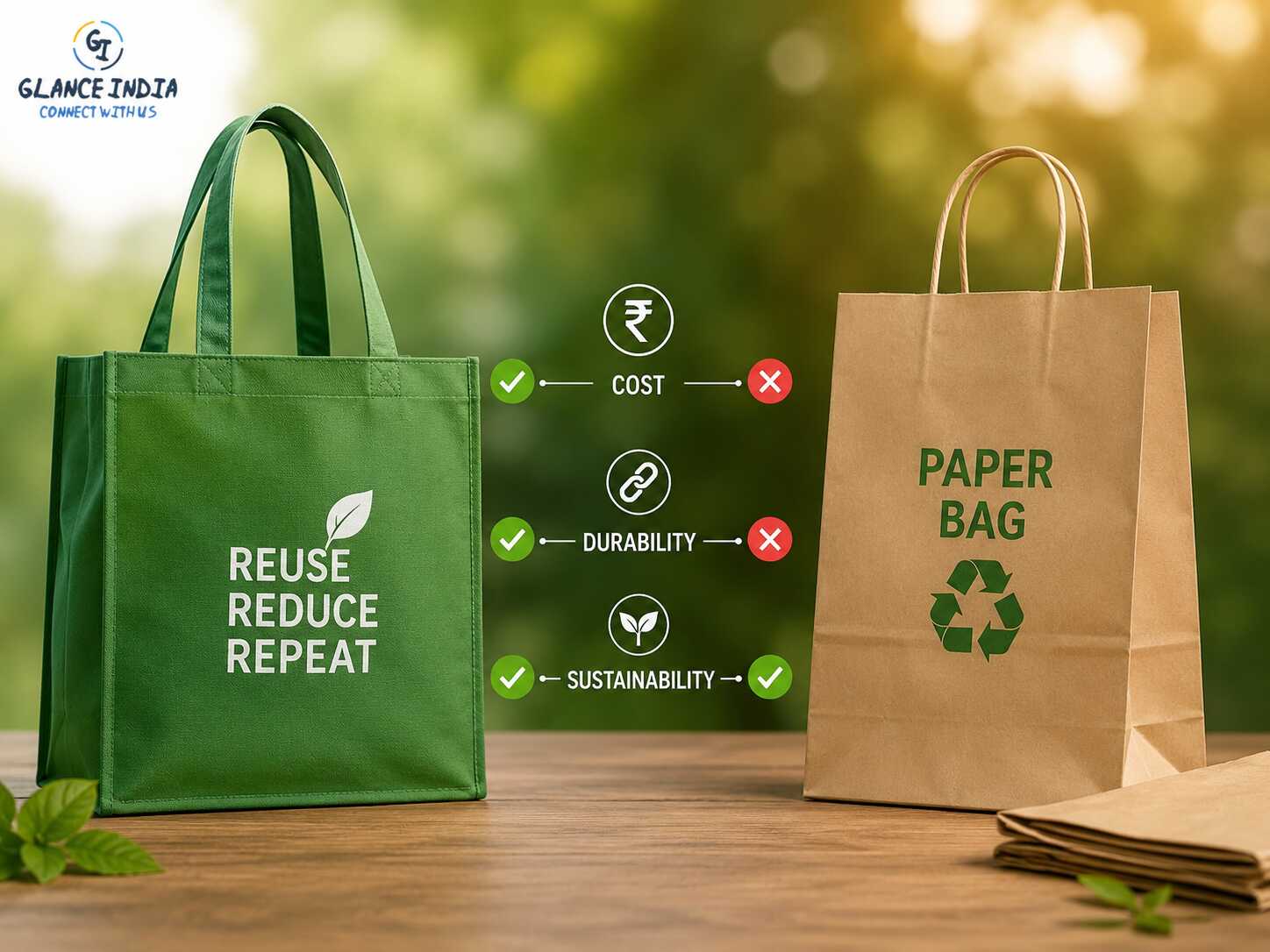
Shopping bags may seem like a small part of a business, but they can make a noticeable difference in packaging costs, customer experience, and waste. As more businesses look for practical alternatives to traditional packaging, the debate around reusable bags vs paper bags has become more relevant. The right choice is not simply about picking the bag that looks more eco-friendly. Cost, durability, frequency of use, and environmental impact all deserve attention. Businesses searching for non woven bags best price in Delhi should also consider quality and long-term value before making a purchase.
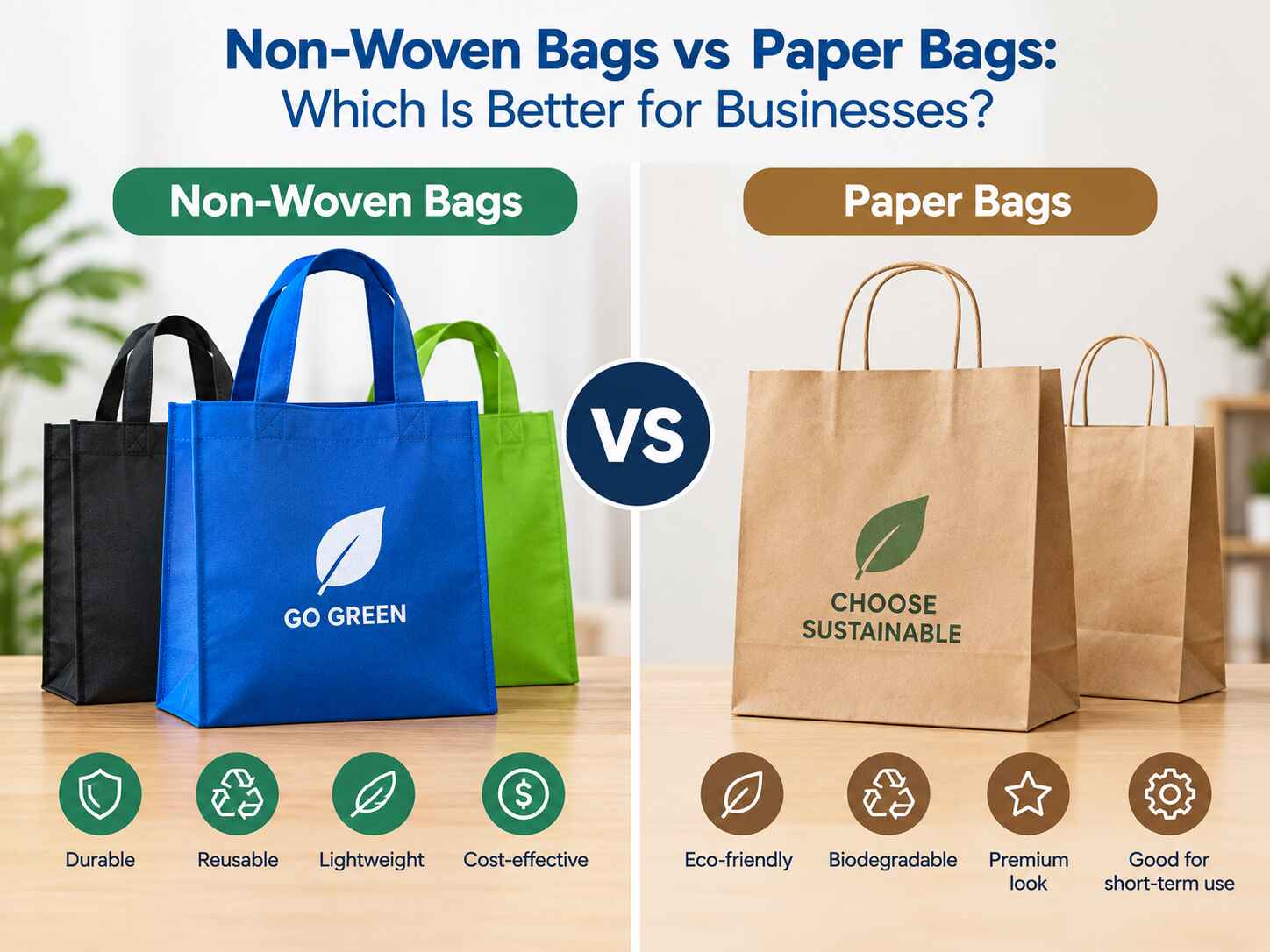
Paper shopping bags have been a familiar choice for years. They are easy to print, relatively simple to use, and suitable for many retail products. Reusable shopping bags take a different approach. Instead of being used once and discarded, they are designed for repeated use.
That difference can affect everything from packaging expenses to waste generation.
For a clothing store, a paper bag may be perfectly suitable for a customer's purchase. A supermarket or regular shopper, however, may prefer a stronger bag that can be carried again on the next shopping trip.
There is no single answer that works for every business. The better choice depends on what the bag needs to carry, how often it will be used, and what happens to it after use.
The simplest difference is their intended lifespan.
Paper bags are generally used for a short period. Once the customer reaches home, the bag may be reused for storage or another small purpose, but many are eventually discarded or recycled.
Reusable bags are made with multiple-use packaging in mind. Their construction is intended to withstand more handling than typical single-use packaging.
This does not mean every reusable bag is automatically better. A reusable bag needs to be used enough times to justify the resources required to produce it. That is why actual customer behaviour matters.
The material also matters. A bag's strength, size, handle construction, and manufacturing quality can influence its performance. Businesses should judge these factors instead of relying only on labels such as “green†or “eco-friendly.â€
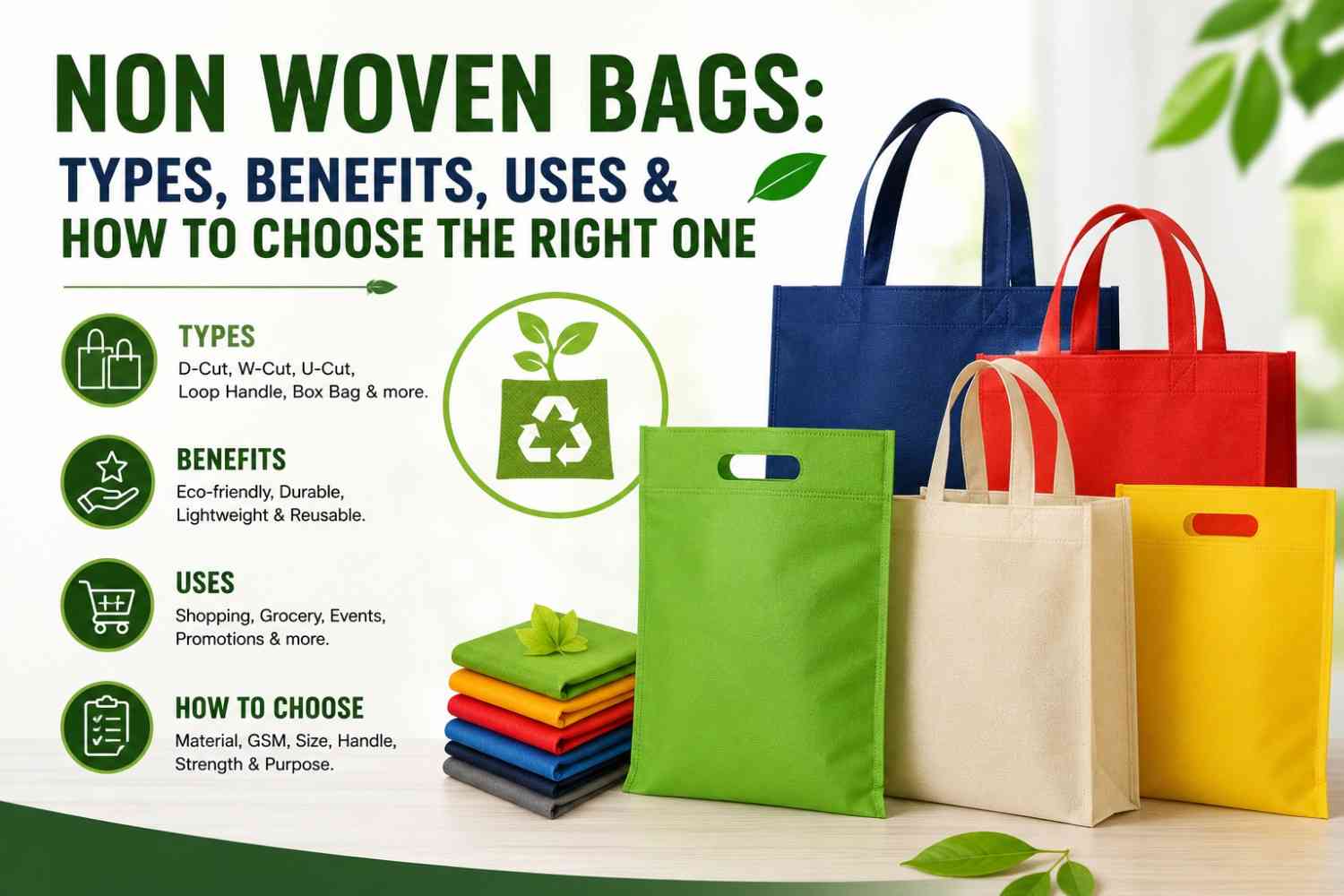
Also Read: Non Woven Bags: Types, Benefits, Uses & How to Choose the Right One
Price is usually one of the first questions businesses ask.
The initial purchase price tells you how much you spend to buy the bag. But it does not always tell you what the bag actually costs over its useful life.
This is where cost per use becomes useful.
A paper bag used once has effectively delivered its value in that single transaction. A reusable bag may be used many times. If customers continue using it, the original purchase cost is spread across several shopping trips.
For businesses buying large quantities, the comparison becomes even more important. Someone looking for non woven bags wholesale in Delhi may compare unit price, bag size, material, printing, handle style, and expected lifespan rather than selecting the cheapest quotation immediately.
The long-term value of a reusable bag depends on how well it performs and how often it is reused.
A strong bag that remains useful for months can provide more value than a cheaper bag that needs frequent replacement. However, there is no point in choosing a highly durable option if customers rarely reuse it.
Good packaging decisions therefore balance price, performance, and real-world usage.
Durability is one area where the differences between paper bags vs reusable bags can become obvious.
Different businesses have different packaging needs.
A boutique carrying shirts and accessories may not need the same load-bearing capacity as a grocery store carrying several heavier products.
Reusable bags can be designed for regular handling, but quality still varies. Stitching, material, dimensions, handles, and construction all influence strength.
Tear resistance matters when a bag is filled, carried, placed down, and picked up several times.
Paper can perform well for many everyday retail uses, but excessive weight or rough handling can cause tearing. Moisture is another concern. Paper packaging can lose strength when exposed to water.
Reusable bags may offer better moisture resistance, depending on their material and construction. Businesses should check the actual specifications rather than assuming every reusable bag has the same properties.
Durability ultimately affects the product lifespan. A bag that remains functional for longer has more opportunity to provide value through repeated use.
This is where the comparison becomes more complicated.
It is easy to say that paper is natural or that reusable bags are sustainable. Real environmental comparisons require more than that.
The United Nations Environment Programme recommends considering the complete life cycle of bags and their alternatives. A Life-cycle assessment looks at factors such as production, transportation, use, and disposal rather than judging a product by material alone.
Imagine two bags made from different materials. One may require more resources during manufacturing, while the other may have a greater benefit during use because it lasts longer.
That is why a proper comparison considers:
A reusable bag can make sense when it is actually reused many times. A paper bag may be appropriate where short-term use and established paper-recycling systems are available.
The carbon footprint is another factor, but it is not the only measure of sustainability.
A bag's overall environmental impact can also involve energy use, water consumption, raw materials, transportation, and waste management.
In other words, calling one bag “100% green†while ignoring how it was produced and used oversimplifies the issue.
The strongest argument for reusable shopping bags is simple: they can be used again.
Repeated use can reduce the need for additional bags, provided the bag remains in good condition and customers actually carry it with them on future shopping trips.
This makes repeated use central to the sustainability discussion.
Reusable carry bags can also provide an additional benefit for businesses. A customer carrying a branded bag outside the store can increase brand visibility without requiring another advertising channel.
For businesses interested in eco-friendly packaging, reusable packaging can therefore offer both practical and marketing value. But the environmental benefit still depends on actual reuse.
Recycling and biodegradability are often confused, but they describe different processes.
Recycling involves collecting and processing material so it can be used again. Biodegradability refers to a material breaking down through biological processes under suitable conditions.
A recyclable product is not necessarily biodegradable, and a biodegradable product is not automatically recyclable.
Paper bags can enter paper-recycling systems where appropriate collection and processing facilities exist. The U.S. EPA maintains data on paper and paperboard materials and their recycling, showing the important role of paper recovery in waste management.
For businesses, the sensible approach is to understand the local waste system and choose packaging that fits the intended use.
There is no need to turn the decision into a complicated exercise.
Start with the products you sell. Consider their weight, size, and exposure to moisture. Then think about how customers are likely to use the bag.
A business should also consider:
Businesses comparing non woven bags wholesale in Delhi should therefore look at more than the wholesale rate. Material quality and practical performance can have a major effect on the overall value.
Similarly, when researching non woven bags best price in Delhi, comparing specifications alongside price can help avoid choosing a product that looks inexpensive initially but offers limited long-term value.
Sustainable packaging is not just about replacing one material for another but reducing unnecessary waste while making better use of our resources.
The reusable bag concept fits into this philosophy if it stays in service long enough. It is aligned with the philosophy of the Circular economy, where products and materials are maintained for extended periods of time without being discarded too quickly.
This philosophy extends to other aspects of Sustainable development and responsible consumption.
Yet, the paper can still be considered a valid alternative in certain cases. The choice will depend on application, existing waste infrastructure, and real use case.
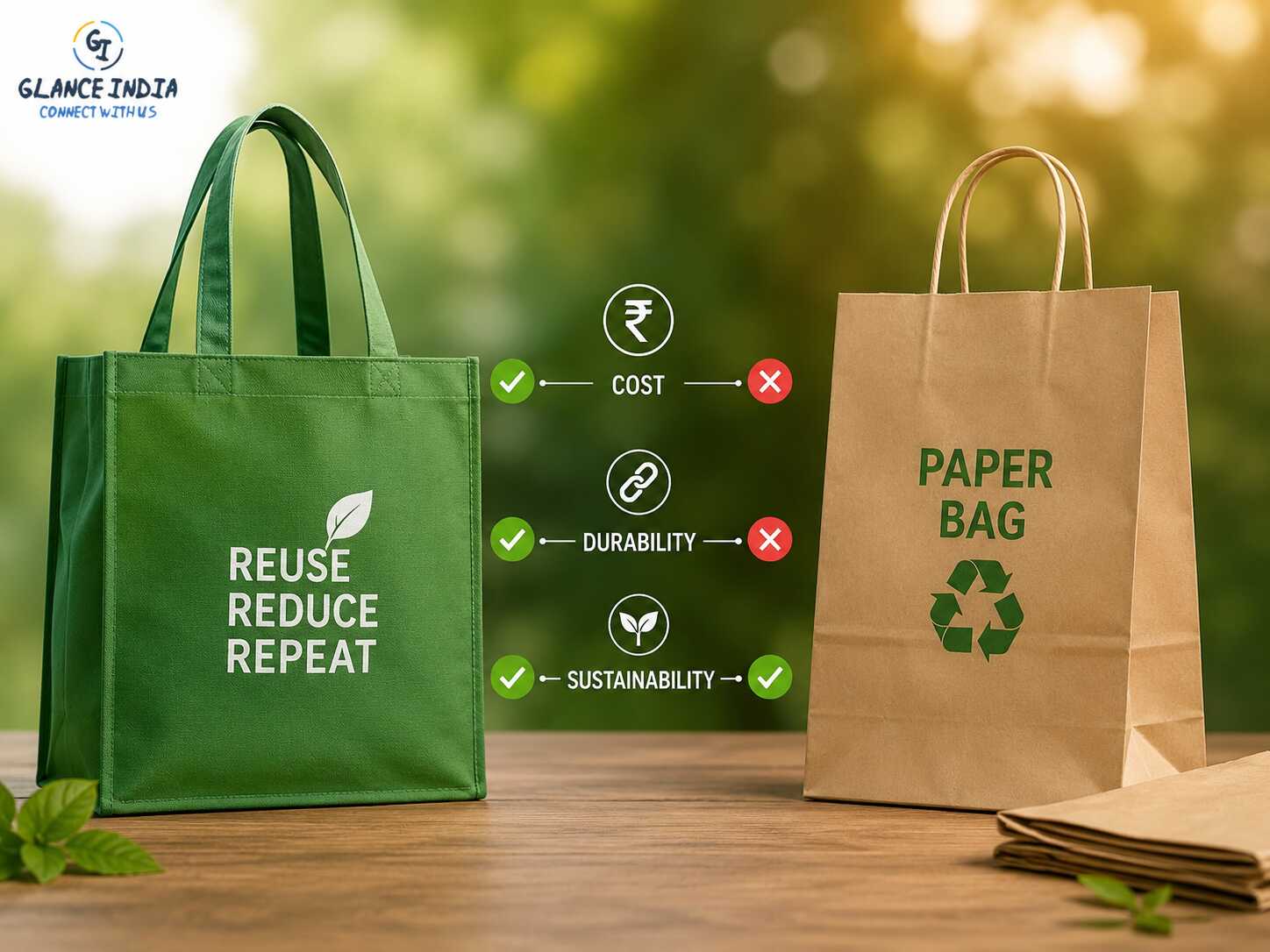
Therefore, how do reusable bags and paper bags compare? It all comes down to the intended use of the bag. Paper bags may serve well for the packaging of products in the short term, while reusable bags may be more beneficial in the long run especially if the bag is to be used multiple times. Rather than focusing only on the type of material used, businesses need to consider the cost per use, durability of the bag, the product lifetime, environmental concerns, recyclability and consumer behavior among others.
In case you are considering choices such as non woven bags best price in Delhi, do not only consider the cost but think of other factors as well. The most suitable packaging should be one that offers a good balance in terms of performance and cost effectiveness. If you want suitable packaging options for your business, feel free to contact us today.
Copyright © 2024 Glance India. | All Rights Reserved. Design By : SBBJ IT SOLUTIONS